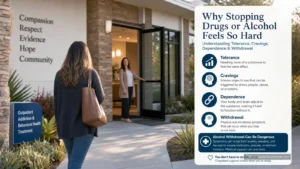

Early recovery can feel hopeful and fragile at the same time. A return to drinking or drug use during or after treatment can bring fear, secrecy, and self-blame very quickly. But relapse is not a moral failure, and it does not automatically mean everything from treatment was lost. What matters most is what happens next: how quickly the person gets honest, how safely they respond, and whether the level of care is adjusted to fit what is really going on.
For people looking for orange county addiction treatment, this is often the most urgent question: if I slipped, do I need detox, outpatient support, a return to rehab, or a stronger relapse prevention plan? The answer depends on safety, frequency of use, withdrawal risk, mental health symptoms, and how stable daily life feels right now. This guide explains what warning signs to watch for, what to do in the first 24 hours, and when it may be time to step back into care in Orange County, Irvine, Huntington Beach, or nearby Southern California communities.
Why Relapse Does Not Mean Treatment Failed
Relapse is a sign that the current recovery plan may need to be strengthened, changed, or restarted with more support. It does not erase progress made in therapy, support groups, family work, or sober time. In addiction treatment, it is common for recovery to involve setbacks, course corrections, and renewed treatment planning.
That matters because shame often delays help. A person may think:
- I already went to treatment, so I should be able to handle this alone.
- If I tell my therapist or program, they will judge me.
- Because I only used once, it is not serious.
- If I relapsed after outpatient treatment, I probably have to start over from zero.
Those thoughts can keep a short lapse from becoming a longer and more dangerous relapse. Clinically, the real concern is not whether someone was “perfect.” The concern is whether use is returning, cravings are rising, routines are collapsing, mental health is worsening, or safety is at risk.
Many people in orange county outpatient addiction treatment experience warning signs before they use again. These signs may include skipping therapy, avoiding sober supports, minimizing cravings, reconnecting with people tied to past use, increasing isolation, or becoming emotionally overwhelmed without reaching out for help. If those signs are addressed early, renewed care can often interrupt the cycle before it deepens.
Relapse can also reveal something important that the original treatment plan did not fully address. Examples include:
- Alcohol withdrawal risk that makes unsupported stopping unsafe
- Trauma symptoms that intensify when substances are removed
- Depression, anxiety, panic, or mood instability that is increasing relapse pressure
- A living situation that exposes the person to daily triggers
- A need for more structure than standard outpatient sessions provide
- A need for women-specific support when trauma, relationships, caregiving stress, or safety concerns are part of the picture
In that sense, a relapse can be useful information. It does not mean treatment was pointless. It means the next step should be based on an honest reassessment instead of shame.
If you are trying to decide what kind of support fits now, it may help to review Drug & Alcohol Addiction Treatment in Orange County, California and compare your current situation with the level of structure you may need.
Common Early Warning Signs Before a Full Relapse
Not every relapse begins with actual substance use. Often, it begins with changes in thinking, behavior, and coping. Alcohol relapse warning signs and drug relapse warning signs may include:
- Romanticizing past use or minimizing consequences
- Thinking about “controlled” use after a period of sobriety
- Missing outpatient sessions or support meetings
- Withdrawing from honest conversations
- Increased irritability, depression, anxiety, or numbness
- Sudden overconfidence about no longer needing support
- Returning to familiar bars, neighborhoods, contacts, or routines linked to use
- Poor sleep, poor appetite, or chronic stress without active coping
- Keeping secrets from family, sponsors, or clinicians
- Using another substance to “take the edge off”
These signs are especially important after outpatient treatment, when a person has more real-world freedom and more exposure to daily triggers. Relapse prevention aftercare works best when those warning signs are treated as signals to take action early, not as evidence that someone is weak.
What to Do in the First 24 Hours After a Relapse
The first day matters. Quick, practical steps can reduce danger and make it easier to stop a lapse from expanding. If you or someone you care about used alcohol or drugs after treatment, focus on safety first, then honesty, then assessment.
1. Stop the spiral and reduce immediate risk
If there has been recent use, the first step is to lower the chance of more use or a medical emergency. That may include:
- Leaving the setting where use happened
- Getting away from people who are still using
- Not driving
- Putting distance between yourself and remaining substances or alcohol
- Calling a trusted sober support person
- Staying with someone safe if being alone increases the risk of continued use
If opioids may be involved, overdose risk can be especially high after a period of abstinence because tolerance may be lower than before. If the person is difficult to wake, breathing slowly, turning blue, or not responding, call emergency services immediately.
2. Tell someone quickly
Secrecy feeds relapse. Within the first 24 hours, tell at least one safe person who can help you make a plan. Ideally, that includes a treatment provider, therapist, case manager, sponsor, sober mentor, or trusted family member who can respond calmly. The point is not confession for its own sake. The point is to interrupt denial and bring support back online.
If you were already in treatment, reach out to your program as soon as possible. If you completed treatment and no longer have active support, ask for an assessment to determine whether outpatient rehab relapse help is enough or whether a higher level of care is needed.
3. Be honest about exactly what happened
The best next-step recommendation depends on details. When you talk with a clinician, be direct about:
- What substance was used
- How much was used
- How often use has happened
- Whether this was a single event or several days
- Whether alcohol, benzodiazepines, opioids, stimulants, or multiple substances were involved
- Whether there have been blackouts, overdose symptoms, or severe cravings
- Whether you are experiencing withdrawal or mental health symptoms now
Minimizing can lead to the wrong level of care. A single night of drinking after months sober is different from a week of hidden alcohol use with morning shakes. A one-time return to stimulant use is different from escalating use combined with paranoia or sleeplessness. Accurate information helps determine whether outpatient care is still appropriate.
4. Assess for withdrawal risk
One of the most important first-24-hour questions is whether stopping again could trigger dangerous withdrawal. This is especially relevant with alcohol and certain sedatives such as benzodiazepines. Warning signs can include:
- Shaking or tremors
- Sweating
- Nausea or vomiting
- Rapid heart rate
- High anxiety or agitation
- Confusion
- Hallucinations
- Seizure history or severe withdrawal history
If these signs are present, alcohol detox or a medically supervised withdrawal setting may be safer than trying to resume sobriety alone. This is one reason a quick clinical assessment matters. People often assume they can just “stop again tomorrow,” but withdrawal risk can change depending on the amount and pattern of recent use.
5. Remove the “I’ll deal with it later” window
Many relapses become bigger because the person leaves a gap between the lapse and the response. If possible, schedule the assessment, therapy session, or treatment re-entry step the same day. The goal is momentum. Waiting until next week gives cravings, shame, and denial time to grow.
6. Return to structure immediately
Even before a formal reassessment happens, bring back the basics:
- Eat regular meals
- Hydrate
- Sleep in a safe place
- Attend your next support meeting or recovery check-in
- Avoid isolation
- Follow any prescribed medication guidance from your treatment professionals
- Keep your next clinical appointment instead of canceling out of embarrassment
For many people dealing with relapse after outpatient treatment, these simple actions help reduce the intensity of the next 24 to 72 hours.
7. Write down the chain of events
As soon as you are sober enough and stable enough, write a short timeline:
- What happened in the days before use?
- What emotions were strongest?
- What situations, people, or thoughts were involved?
- What support did you avoid?
- What did you tell yourself right before using?
This gives your treatment team something concrete to work with. It turns a vague sense of failure into a clear relapse pattern that can be addressed.

When Relapse Becomes a Medical or Psychiatric Emergency
Not every relapse requires emergency care, but some do. It is important not to confuse a supportive tone with a casual one. There are situations where urgent help is the safest response.
Get emergency help right away if any of the following are present
- Difficulty breathing, slow breathing, blue lips, or inability to wake the person
- Seizures
- Chest pain
- Severe confusion or disorientation
- Hallucinations, extreme agitation, or possible psychosis
- Suicidal thoughts, threats of self-harm, or recent self-harm behavior
- Violence or inability to remain safe
- Severe alcohol withdrawal symptoms
- Mixing multiple substances with signs of overdose or intoxication
Emergency care is about stabilization, not punishment. If a person is in danger, the first goal is to keep them alive and safe.
When alcohol relapse may require detox instead of routine outpatient follow-up
People searching for alcohol relapse warning signs often do not realize how serious withdrawal can become. A return to heavy or repeated drinking after a period of sobriety can create real medical risk. A person may need alcohol detox if they:
- Have been drinking heavily for several days or longer after a relapse
- Need alcohol to stop shaking or calm down in the morning
- Have a history of severe withdrawal, seizures, or delirium tremens
- Are showing tremors, sweating, panic, confusion, or hallucinations
- Have other medical issues that increase risk
In these situations, going directly back to standard outpatient sessions may not be enough. A detox evaluation may be the safer first step, followed by a structured treatment plan once medically stable.
When mental health symptoms change the picture
Relapse may also signal co-occurring mental health needs that need more focused care. Watch for:
- Panic attacks or extreme anxiety after using or while trying to stop
- Deep depression, hopelessness, or shutting down completely
- Trauma flashbacks, nightmares, or dissociation
- Paranoia, hearing voices, or severe agitation
- Rapid mood swings or behavior that feels out of character
Substance use and mental health symptoms can intensify each other. For some women, especially those with trauma histories, relapse may happen during periods of emotional flooding, unsafe relationships, grief, or unresolved trauma responses. That does not mean standard care is failing; it may mean trauma-informed and gender-responsive support needs to be more central to the plan.
For a broader overview of treatment pathways, visit Addiction Recovery Treatment in Orange County.
How to Tell if Outpatient Care Is Still the Right Level of Support
One of the most practical questions after relapse is whether a return to outpatient care is enough. Sometimes it is. Sometimes a person needs detox, a more intensive outpatient schedule, partial hospitalization, residential treatment, or another structured step before returning to outpatient.
The answer depends on current stability, not just on the fact that a relapse occurred.
Signs outpatient care may still be appropriate
Outpatient support may still fit if most of the following are true:
- The relapse was brief and limited, not prolonged or escalating
- There is no significant withdrawal risk requiring medical monitoring
- The person is medically stable and not in psychiatric crisis
- The person is willing to be honest and re-engage quickly
- Housing is reasonably safe and not centered around active substance use
- There is reliable transportation and the ability to attend sessions consistently
- There is some support from family, peers, or recovery contacts
- The person can avoid immediate access to substances
In these cases, orange county outpatient addiction treatment may be adjusted rather than abandoned. That might mean more sessions per week, stronger accountability, medication review when appropriate, closer family involvement, or a step-up in relapse prevention planning.
Signs a higher level of care may be needed
Consider a more structured setting or immediate reassessment if any of the following are happening:
- Use has continued for more than a day or two and is escalating
- The person keeps trying to stop but cannot stay stopped
- There are repeated relapses after outpatient treatment with the same pattern
- Cravings are intense and constant
- There is significant withdrawal risk
- There are suicidal thoughts, self-harm, or severe mental health symptoms
- The home environment is unsafe or full of triggers
- The person is missing work, school, caregiving, or basic daily responsibilities
- There is deception, disappearing, or loss of contact with sober support
- The relapse involved overdose, blackouts, or dangerous behavior
When to return to rehab after relapse is not a question of shame or punishment. It is a question of what setting offers enough containment and support to interrupt the current pattern.
Questions to ask during a clinical reassessment
If you are unsure what level of care fits, a qualified team member may explore questions like:
- What substances were used, and for how long?
- Is detox medically indicated?
- What warning signs were present before the relapse?
- What supports were active, and which ones dropped off?
- Are trauma symptoms, anxiety, depression, or another behavioral health concern driving the relapse?
- Would more intensive outpatient structure be enough, or is a higher level of care indicated?
- What family, housing, work, or legal stressors need to be addressed?
This kind of reassessment is often more helpful than asking, “Do I have to start rehab all over again?” In many cases, the right response is a tailored return to care, not a full restart of everything from scratch.
Common Relapse Triggers After Outpatient Treatment
Returning to daily life is often the hardest part of recovery. Outpatient treatment helps people practice sobriety in the real world, but that also means the same stressors, environments, and relationships are still present. Understanding common triggers can make outpatient rehab relapse help more specific and effective.
Stress and emotional overload
Stress is one of the most common relapse triggers, especially when people leave treatment expecting to “feel normal” quickly. Work pressure, financial strain, parenting demands, breakups, and unresolved conflict can create strong urges to escape. If a person has not yet built enough recovery habits around sleep, boundaries, and emotional regulation, stress can push them back toward old coping patterns.
Isolation after the structure of treatment ends
Many people do well while actively attending treatment, then struggle when the schedule becomes lighter. Fewer sessions can mean more freedom, but it can also mean more unstructured time and more room for relapse thinking to grow. This is one reason long-term aftercare matters.
If continued support is needed, explore Long Term Aftercare for Outpatient Addiction Treatment as part of a plan for sustained recovery.
Relationship triggers
Arguments, breakups, custody stress, loneliness, or returning to an unhealthy relationship can all increase relapse risk. Some people also struggle when family members expect immediate trust or immediate emotional stability after treatment. Pressure can build quietly until the person turns to alcohol or drugs to numb out.
People, places, and routines tied to use
It may sound obvious, but many relapses begin with “just stopping by” a familiar place, answering a message from someone tied to prior substance use, or returning to an old routine without enough caution. In Orange County, this may look like social scenes, nightlife, beach gatherings, parties, or neighborhood contacts that seem manageable at first but quickly reactivate old patterns.
Untreated trauma and co-occurring symptoms
Trauma can be a major driver of relapse, especially when sobriety brings buried memories or intense emotional states back to the surface. Anxiety, depression, PTSD symptoms, grief, and panic can all create pressure to self-medicate. Women in particular may benefit from treatment that directly addresses both addiction and mental health in a trauma-informed setting, rather than treating relapse as only a substance problem.
Overconfidence
Not all relapse starts with feeling terrible. Sometimes it starts with feeling too confident: skipping meetings, stopping therapy, believing cravings are no longer relevant, or assuming a person can now “handle” limited use. This is especially common after a period of improvement, when daily life feels stable again and treatment seems less urgent.
Cross-addiction and substitute behaviors
A person may stop using one substance but begin relying on another. That can include increased drinking after stopping drugs, misuse of prescribed medication, compulsive behaviors, or turning to substances that seem less serious. This kind of substitution can hide relapse risk until it becomes more obvious.
How Family or Loved Ones Can Respond Without Making It Worse
Families often swing between panic and anger after a relapse. That reaction is understandable, especially if trust has been damaged before. But high-conflict responses can increase secrecy and drive the person deeper into avoidance. Supportive accountability works better than either attacking or rescuing.

What helps
- Stay calm enough to focus on immediate safety first
- Ask direct questions without shaming language
- Encourage quick contact with the treatment team
- Help the person get to a safe environment
- Support attendance at the next clinical appointment or assessment
- Set clear boundaries around safety, money, transportation, and behavior
- Focus on the next step rather than replaying every past disappointment
What tends to make things worse
- Yelling, threatening, or humiliating the person
- Demanding promises instead of a real treatment plan
- Ignoring overdose or withdrawal risks
- Trying to monitor every move instead of involving professionals
- Providing money with no accountability when substances may be involved
- Treating a lapse as proof that recovery is impossible
Helpful language families can use
Instead of “You blew it again,” try:
- “I’m glad you told me. Let’s figure out what support you need right now.”
- “Are you safe tonight?”
- “Do we need to call your treatment team or get an assessment?”
- “I want to help in a way that supports recovery, not secrecy.”
Instead of “You need to prove you mean it,” try:
- “What is the concrete plan for the next 24 hours?”
- “What level of support are professionals recommending?”
- “What boundaries do we need so this does not keep escalating?”
Accountability without escalation
Healthy accountability means linking concern to action. For example:
- If there is withdrawal risk, support a detox assessment
- If the person is enrolled in outpatient care, encourage same-day disclosure to the program
- If the home environment is part of the problem, discuss temporary changes or increased supervision
- If mental health symptoms are severe, prioritize behavioral health evaluation instead of arguing about motivation
Families do not need to diagnose the problem on their own. Their role is to help reduce danger, avoid enabling, and support reconnection with qualified care.
Building a Stronger Relapse Prevention Plan After Returning to Care
The goal after a relapse is not just to “try harder.” It is to build a plan that better matches the person’s actual risk pattern. Whether someone returns to outpatient care, steps up to a higher level of support, or starts with detox, the next treatment phase should be more targeted than before.
Review what changed before the relapse
A stronger plan starts with specifics. Treatment should explore:
- What warning signs were missed?
- What emotions or situations drove the urge to use?
- What part of the week or day was highest risk?
- What support dropped off first?
- Did the person stop being honest before the actual use happened?
- Were there trauma triggers or mental health symptoms that were not being addressed adequately?
This turns relapse into a map, not a mystery.
Increase structure where needed
After relapse, a more effective plan may include:
- More frequent individual therapy
- A higher number of outpatient sessions each week
- Group therapy focused on relapse prevention
- More consistent drug or alcohol screening when clinically appropriate
- Medication support discussions with qualified professionals
- Family sessions to improve communication and boundaries
- Recovery meetings or peer support with a more consistent schedule
The key is not intensity for its own sake. The key is enough support to interrupt the current risk pattern.
Create a written “if this, then that” plan
Many relapse plans stay too vague. A stronger version is concrete:
- If I miss a therapy session, I reschedule it the same day.
- If cravings go above a certain level, I call two named people before I act.
- If I start hiding information, that itself is a warning sign and I tell my therapist.
- If I drink or use once, I do not wait to see if it gets worse; I contact treatment immediately.
- If trauma symptoms spike, I use specific grounding tools and ask for extra support.
This kind of planning is especially useful for people seeking drug relapse support orange county, where daily triggers can vary across work, social, and family settings.
Address co-occurring mental health needs directly
When relapse keeps happening around anxiety, depression, trauma, panic, grief, or emotional overwhelm, addiction treatment needs to account for those realities. A person is more likely to stay engaged when treatment helps them understand the connection between symptoms and substance use, rather than treating relapse as only a discipline problem.
Women seeking specialized care may need a plan that recognizes trauma triggers, relationship dynamics, caregiving burdens, or safety concerns that influence substance use. Trauma-informed care can help reduce shame and create a more workable recovery path.
Strengthen aftercare, not just acute treatment
Some people do well during active treatment but struggle during the transition out. That does not always mean the treatment was wrong; it may mean aftercare was too light for the level of relapse risk. Ongoing support, alumni connection, therapy, recovery community involvement, and practical planning for holidays, weekends, travel, and conflict can all matter.
Revisit insurance questions early
Many people delay returning to care because they assume insurance will not cover treatment after a relapse. In reality, coverage depends on the plan and medical necessity review. It makes sense to verify benefits and fit quickly rather than waiting until the situation worsens. If this is one of your concerns, see Guide to Addiction Treatment Health Insurance for a helpful starting point.
Frequently Asked Questions About Relapse After Outpatient Treatment
If I relapsed while in outpatient treatment, do I need to start rehab over again?
Not necessarily. A relapse does not automatically mean you need to restart everything from the beginning. What matters is the severity of the relapse, your current safety, whether you are at risk for withdrawal, and whether outpatient care still matches your needs. Some people can remain in outpatient treatment with a revised plan and more support. Others may need detox or a higher level of care first. The best next step is a prompt clinical reassessment.
How do I know if I need detox instead of going back to outpatient care?
Detox may be needed if there is a risk of medically significant withdrawal, especially after alcohol or sedative use. Warning signs include tremors, sweating, vomiting, severe anxiety, confusion, hallucinations, seizure history, or repeated use over several days with physical dependence symptoms. If there is any concern about withdrawal safety, seek a professional evaluation right away rather than assuming standard outpatient care is enough.
What should I do if I drank or used only once after treatment?
Take it seriously, but do not turn it into a reason for shame. Even one use episode can be a warning sign that the relapse process has already started. The safest move is to tell your treatment team or another recovery support person immediately, review what led up to it, and get guidance on whether you need more structure. Waiting to see if it happens again often makes the situation harder to contain.
Will my insurance still help cover treatment after a relapse?
Coverage depends on your plan, benefits, and the level of care being recommended. A relapse does not automatically mean coverage is unavailable. Because insurance questions can affect how quickly people return to care, it is worth checking benefits as early as possible rather than delaying treatment decisions based on assumptions.
Can women with trauma and co-occurring mental health symptoms get more specialized support in Orange County?
Yes, women who are struggling with both substance use and trauma-related or mental health symptoms may benefit from more specialized, trauma-informed behavioral health support. If relapse seems tied to trauma responses, unsafe relationships, anxiety, depression, or emotional overwhelm, that should be part of the assessment. A plan that addresses both addiction and mental health together may provide a better fit than a narrow relapse-focused approach alone.
Practical Signs It May Be Time to Return to Treatment Now
If you are unsure whether this is serious enough to act on, look at the pattern rather than the excuse. It may be time to return to care now if:
- You are hiding use or lying about it
- You are planning the next use even while saying it was a mistake
- You cannot get back to your normal recovery routine
- Your cravings feel harder to manage than before
- You are using to handle panic, trauma, depression, or sleep problems
- Your family is frightened or walking on eggshells
- You are not sure whether detox is needed
- You have already relapsed more than once since outpatient treatment
These are not signs to panic. They are signs to assess the problem before it gets worse.
Conclusion: A Fast, Honest Response Can Change the Direction
Relapse in early recovery is serious, but it is not the end of the story. The most important next step is not self-punishment. It is a clear assessment of safety, withdrawal risk, mental health, and the level of support that fits now. For some people, a return to outpatient care with a stronger plan may be enough. For others, detox or a more structured relapse prevention approach is the safer path. The sooner that question is answered, the better.
If you or someone you love is dealing with relapse after outpatient treatment in Orange County, Irvine, Huntington Beach, or nearby Southern California areas, Blue Coast Behavioral Health can help you sort out what level of care may fit. Call 949-776-2127 for a confidential clinical assessment to figure out whether you need outpatient support, a return to treatment, detox, or a more structured relapse prevention plan. Help is available 24/7, and getting the issue assessed quickly can make it much easier to regain stability before the relapse grows more dangerous.