
What Is Dual Diagnosis Treatment and When Does It Matter in Addiction Recovery?
If you use alcohol or drugs to manage anxiety but keep feeling worse afterward, ask for an assessment that addresses both concerns. The practical question behind dual diagnosis treatment is how mental health care and addiction treatment will fit together—not which concern you must resolve first. You do not need to diagnose yourself before requesting help.
Describe the pattern, not just the worst moment
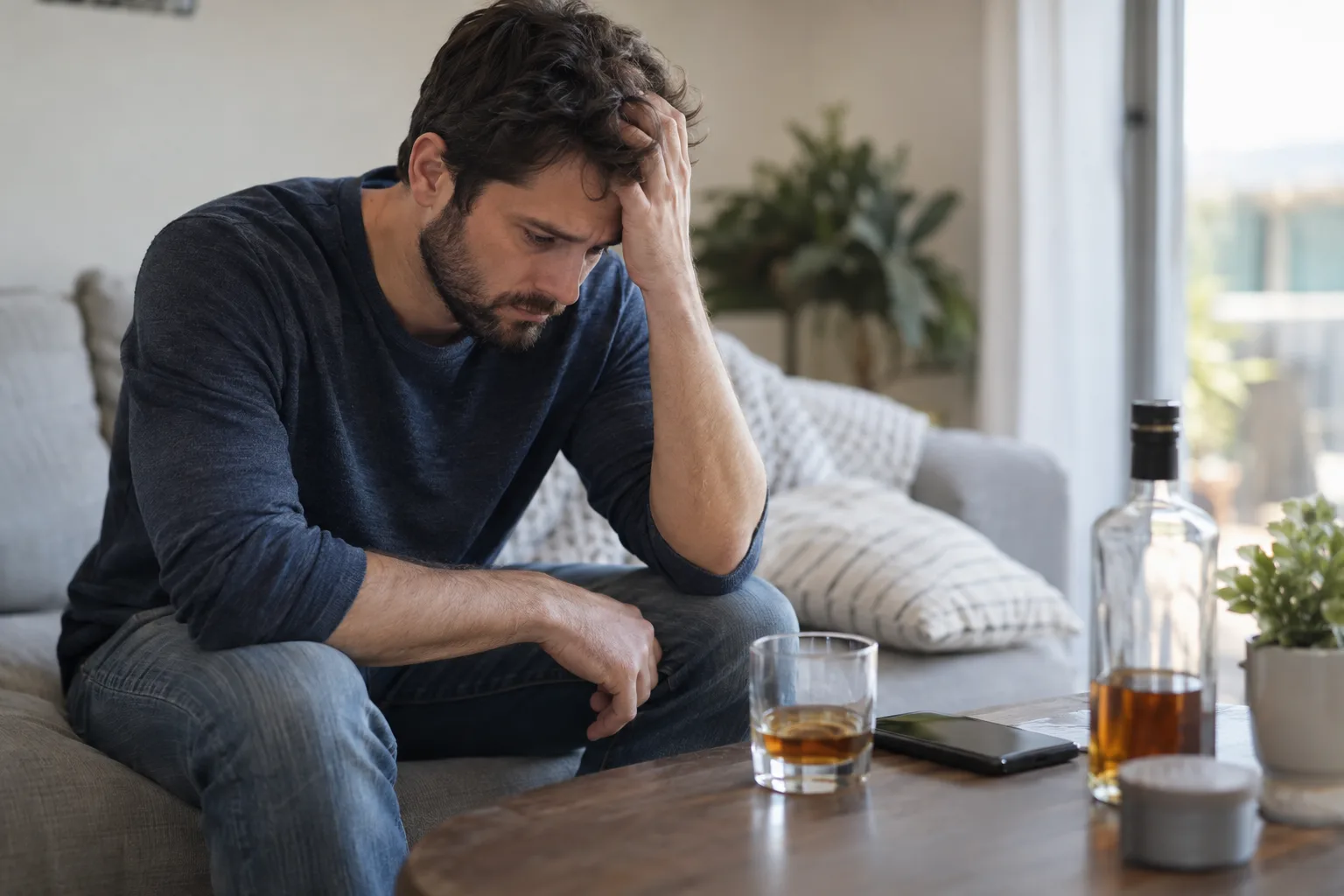
Rather than deciding that substance use causes all your anxiety, describe what happens before, during, and after use. If you notice short-term relief followed by returning or stronger anxiety, tell the clinician about both parts. Ask whether what you call “rebound anxiety” needs further evaluation rather than treating the label as an explanation.

Bring notes on these questions:
- What were you hoping to relieve: worry, sleeplessness, social discomfort, or panic symptoms?
- When did anxiety begin, and when does it feel better or worse?
- Are you using more often, increasing the amount, or using again to manage how you felt after earlier use?
- What has changed in your sleep, relationships, work, or daily responsibilities?
Include alcohol, stimulants, cannabis, and sedatives in that conversation, along with other substances and prescribed medicines. Describe your own response to each rather than assuming they all affect you the same way. Include anxiety that occurred before substance use as well as symptoms afterward.

Look for a plan that connects both concerns
When comparing treatment options, ask for specific answers rather than relying on a “dual diagnosis” label:
- Who will evaluate the anxiety, and would a separate mental health referral be needed?
- How will withdrawal risk and immediate safety be assessed before treatment begins?
- Would outpatient treatment be appropriate, or should another level of care be considered first?
- Which options could be discussed—counseling, medication evaluation, recovery support—and who would coordinate them?
Ask your prescriber before changing prescribed medication. Bring questions about alcohol withdrawal and home detox to a medical professional rather than using a stop-and-see experiment to explain your anxiety. In an immediate emergency or danger of self-harm, seek emergency help rather than waiting for a treatment appointment.
Call Blue Coast Behavioral Health at 949-776-2127 to request a substance-use assessment and discuss addiction treatment options. Ask how anxiety would be evaluated or referred, whether outpatient care fits your needs, and what services, insurance coverage, and estimated costs need confirmation before scheduling.