
Store OTC Medicines Without Becoming a Medication Monitor
Agree on where medicines are kept, how purchases are handled, and how each adult can access needed care—not on a system where one relative approves every dose. Treat storage as one part of a recovery plan, not as treatment or a promise that misuse cannot happen.
Make the agreement specific—and mutual
Start with the concern: “I’m worried about the extra sleep medicine we’re buying. Can we agree on what we keep in the house?” If you have concerns about over-the-counter sleep aid misuse, describe the behavior rather than assigning a diagnosis.
Develop the plan with the adult involved and, with their permission, their care team. Write down:

- Which shared products will be secured and which personal belongings remain private.
- Who will have access, including when someone is away.
- How needed medicines will remain available without requiring a relative to make treatment decisions.
- Who will check existing supplies before household purchases.
- When you will review the arrangement together.
Before buying a medicine lockbox, settle the access question. If the arrangement requires someone to supervise every use, take that unresolved issue to the care team rather than making a family member responsible for monitoring medication.
Review supplies without taking over care
Review shared supplies together, not through searches of private belongings. Identify unwanted, expired, or duplicate products and agree on what not to replenish. Ask a pharmacist to review uncertain duplicates and confirm storage and disposal instructions for the actual products. Check whether a proposed disposal location accepts them before making a trip.
Do not use the household agreement to stop prescribed treatment or decide which medicines another adult medically needs. Resolve those questions with the prescribing clinician or pharmacist. The storage plan should preserve access to legitimate care.
Set a boundary and a response plan
A boundary describes your actions: “I will secure my own medicines and won’t buy extra supplies.” Avoid adding searches, punishment, or covert surveillance to the agreement.
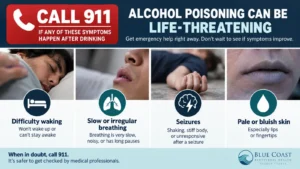
Write down whom to contact if misuse continues, and how to seek emergency help for suspected poisoning. Treat suspected poisoning as an urgent safety issue, not a disagreement about house rules. If drug use disrupts daily responsibilities, make assessment—not stricter monitoring—the next step.
If you cannot agree on workable access or misuse continues, ask Blue Coast about recovery support options at 949-776-2127. Ask whether recovery planning and ongoing support could help; confirm available services, scheduling, costs, and insurance eligibility.