Loperamide is sold over the counter as an anti-diarrheal medicine, often recognized by the brand name Imodium. Because it is easy to find and does not look like a “hard drug,” some people assume it is low-risk. That assumption can be dangerous. In reality, loperamide misuse can signal a serious substance use problem, especially when someone is taking it to self-manage opioid withdrawal or to chase opioid-like effects at very high amounts.
For families in Orange County, Irvine, Huntington Beach, and across Southern California, this issue can be easy to miss. A person may say they are just treating stomach issues, while the real problem is escalating dependence, risky withdrawal management, or hidden over-the-counter drug misuse. This article explains why loperamide gets misused, what makes it medically dangerous, how to recognize warning signs, and when professional help may be safer than trying to manage it alone.
If you are looking at a broader pattern of household or OTC substance misuse, Blue Coast Behavioral Health also offers related guidance in What Household Products Do People Misuse to Get High?.
What Loperamide Is and Why People Misuse It
Loperamide is an anti-diarrheal medication used to slow movement in the intestines. At normal over-the-counter use, it is intended for short-term digestive symptoms. The concern begins when it is used for reasons other than its intended purpose.
Why someone may start misusing loperamide
People generally do not begin with the goal of developing a dangerous loperamide pattern. More often, misuse grows out of desperation, fear, or an attempt to avoid withdrawal discomfort. Common reasons include:
- Trying to reduce diarrhea and stomach distress during opioid withdrawal
- Trying to stay functional without seeking formal treatment
- Attempting to create opioid-like effects
- Using it secretly because it is legal, cheap, and easy to obtain
- Believing that over-the-counter medications are automatically safer than illicit drugs or prescription misuse
This is one reason Imodium abuse can go unnoticed. Someone may not see it as “real addiction” because the product is sold in a pharmacy, grocery store, or convenience store. A family member may even miss the pattern because there are no obvious street-drug cues.
Loperamide misuse often points to a larger issue
When someone is taking loperamide in ways not directed, the question is usually bigger than the medication itself. It may indicate:
- Current opioid misuse
- Fear of opioid withdrawal
- A recent relapse
- An effort to hide symptoms from loved ones or employers
- A broader pattern of over-the-counter drug misuse
In Orange County and nearby Southern California communities, many people looking for help are balancing work, parenting, school, or relationship strain while trying to control substance use privately. OTC misuse can become part of that hidden survival strategy. Instead of asking for help, the person may search for ways to “get through it” with medications that seem less alarming.
Can loperamide actually cause a high or opioid-like effects?
At recommended use, loperamide is not intended to produce a high. However, at very high levels, people may misuse it in attempts to achieve opioid-like effects or to suppress opioid withdrawal symptoms. That does not mean it is safe or predictable. The same behavior that leads someone to seek those effects can also lead to severe toxicity, dangerous heart rhythm problems, fainting, overdose, or death.
This matters because people sometimes assume that if a medication is nonprescription, it cannot become medically serious. That belief can delay treatment and emergency response.
How Loperamide Misuse Can Affect the Brain, Body, and Heart
The danger of loperamide misuse is not limited to the digestive system. High-risk misuse can affect multiple body systems, and the heart-related complications are especially important.
Effects on the brain and nervous system
When loperamide is misused in an attempt to influence withdrawal or create opioid-like effects, it becomes part of a larger addiction cycle. Even if the person says they are only trying to manage symptoms, the behavior can reinforce avoidance, secrecy, and ongoing substance dependence.
Misuse may contribute to:
- Sedation or unusual drowsiness
- Dizziness
- Mental clouding
- Poor judgment about when to seek help
- Delayed recognition that opioid use or withdrawal needs professional treatment
One of the biggest risks is psychological. A person may start to believe they have found a workable private solution. That false sense of control can keep them from getting proper support until the problem is much more serious.
Effects on the body
Loperamide misuse can lead to a range of physical complications. These may include:
- Severe constipation
- Abdominal pain
- Nausea
- Urinary retention
- Weakness or fatigue
- Dehydration if the person is also experiencing vomiting, poor intake, or withdrawal symptoms
These issues can become confusing in the middle of withdrawal or relapse. A person may not know whether they are dealing with opioid withdrawal, medication toxicity, dehydration, another substance, or a combination of all of the above. That is one reason self-diagnosis can be risky.
Heart rhythm problems are a major concern
One of the clearest clinical concerns associated with high-dose loperamide misuse is the risk of dangerous cardiac effects. Public safety warnings and toxicology reports have highlighted that misuse can contribute to serious heart rhythm disturbances. In plain terms, the heart may not beat normally or effectively.
Possible warning signs can include:
- Fainting
- Palpitations
- Chest discomfort
- Unexplained shortness of breath
- Severe dizziness
- Seizure-like episodes in some overdose situations
The most dangerous part is that a person may not connect these symptoms to an OTC medication. They may think they are just anxious, dehydrated, withdrawing, or overtired. That misread can delay emergency care.

Why emergency response may be delayed
Families often know to react quickly when they suspect heroin, fentanyl, or heavy alcohol use. They may be less likely to see urgency when the substance is a medicine bought at a regular store. That is exactly why OTC substance abuse risks deserve serious attention.
Emergency response can be delayed because:
- The person denies misuse and says it is “just stomach medicine”
- Loved ones do not know loperamide can affect the heart
- The person is embarrassed to admit they were trying to handle withdrawal alone
- Symptoms come on in a confusing way that looks like panic, dehydration, or relapse
In a recovery setting, delays matter. When a person has both substance use risk and possible cardiac complications, it is safer to treat the situation seriously rather than wait and see.
Warning Signs of Loperamide Abuse or Dependence
Because loperamide is sold over the counter, the warning signs can be subtle at first. Many people using it problematically do not fit the stereotype of someone visibly intoxicated. They may be working, parenting, driving, or trying hard to appear stable.
Behavioral signs families may notice
- Repeated purchases of anti-diarrheal medication from multiple stores
- Large amounts of empty packaging at home, in a car, or in bags
- Defensiveness when asked about medication use
- Frequent stomach complaints that do not seem to add up
- Isolation, secrecy, or locking up medications
- Internet searches or conversations about home withdrawal strategies
- Sudden focus on avoiding detox or formal treatment at all costs
These patterns do not automatically prove addiction, but they are meaningful warning signs. If someone appears to be using loperamide as part of opioid withdrawal self-treatment, it is important not to brush it off.
Physical signs that misuse may be escalating
- Constipation or abdominal distress
- Episodes of dizziness or faintness
- Unexplained fatigue
- Changes in alertness
- Heart racing, skipped beats, or collapse
- Recurring nausea while claiming to use the medication “for relief”
Some people may also swing between appearing sick from withdrawal and appearing sedated or medically unwell from misuse. That inconsistency is often a clue that the situation is more serious than simple digestive trouble.
Hidden dependence patterns
Dependence does not always look dramatic. In many cases, it looks like routine. A person may say:
- “I need this to get through the day.”
- “I’m only using it so I don’t get sick.”
- “It’s not a real drug problem because I bought it myself.”
- “I can stop after this week.”
Those statements often reflect a deeper struggle: fear of withdrawal, fear of judgment, or fear of life without substances. If this sounds familiar, the right next step is not shame. It is assessment.
When cost concerns keep people from seeking help
Many people keep misusing OTC products because they assume treatment will be too expensive, too disruptive, or too intense. But continuing to hide the problem often creates greater costs: medical risk, lost work, relationship strain, and potential emergency care.
If treatment cost is one of the reasons someone keeps trying to manage things alone, reviewing coverage may help. Blue Coast Behavioral Health provides a Guide to Addiction Treatment Health Insurance that can help people think through practical next steps.
Why Self-Managing Withdrawal With OTC Drugs Can Backfire
Trying to avoid formal care is understandable. Withdrawal can feel frightening, and many people are deeply worried about being judged, missing work, or losing privacy. But using loperamide to self-manage withdrawal can backfire in several ways.
It can hide the severity of opioid dependence
When someone uses an OTC medication to suppress symptoms, they may delay facing the underlying opioid problem. Instead of moving toward structured help, they stay trapped in crisis management. The visible symptoms may lessen for a time, but the addiction pattern remains active.
This delay can lead to:
- Repeated relapse cycles
- Longer periods of hidden substance use
- Increasing medical danger
- More severe emotional stress and hopelessness
It can create a second problem on top of the first
A person may begin with opioid misuse and end up dealing with both opioid dependence and problematic loperamide use. That makes treatment planning more complex and can raise the stakes medically. Instead of reducing danger, the person adds another layer of risk.
It can delay the right level of care
Not everyone needs the same kind of addiction treatment. Some people may need detox support first. Others may be appropriate for outpatient care after a clinical evaluation. But when a person tries to manage withdrawal alone, they may never get a qualified opinion on what level of support fits their situation.
That is where a treatment conversation matters. Blue Coast Behavioral Health helps individuals explore appropriate next steps through Drug & Alcohol Addiction Treatment in Orange County, California, including support for people whose OTC misuse is part of a larger addiction pattern.
It can increase fear and isolation
People who self-manage withdrawal often become more isolated over time. They may feel ashamed that they are using an anti-diarrheal medication in ways they never expected. They may promise themselves every day that they will stop tomorrow. That cycle can make change feel farther away, not closer.
For families, this is also exhausting. Loved ones may not know whether they are seeing a stomach issue, relapse, withdrawal, anxiety, or a medical emergency. If the home has become centered around monitoring symptoms, hiding purchases, and waiting for the next scare, the problem likely needs professional evaluation.
Readiness can be mixed, and that is normal
Many people know they need help and still feel ambivalent. They may want relief from the problem without wanting treatment. That conflict is common in addiction recovery. Blue Coast Behavioral Health discusses this process in Stages of Change in Addiction Treatment. A person does not have to feel fully certain before reaching out for an assessment.

When Emergency Care or Detox Support May Be Necessary
One of the most important distinctions in this topic is the difference between an emergency and a treatment need. Sometimes both are present at once.
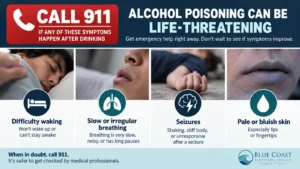
Signs that need emergency medical help right away
Seek emergency care immediately or call 911 if someone has symptoms that may reflect overdose, dangerous heart complications, or another acute medical crisis. Examples include:
- Fainting or collapsing
- Trouble breathing
- Chest pain
- Severe dizziness
- Irregular heartbeat or pounding heart sensations
- Seizure activity
- Unresponsiveness
- Blue lips or signs of oxygen distress
These are not situations to monitor casually at home. Loperamide overdose symptoms may overlap with other urgent medical conditions, and it is safer to have the person evaluated right away.
When detox support may be necessary
If the person is using loperamide to blunt opioid withdrawal, or if they are dealing with heavy alcohol use or other substances at the same time, a structured detox evaluation may be appropriate. Detox is not the same thing as ongoing rehab, but it can be the safer first step when withdrawal symptoms or medical instability are significant.
Questions that may point toward detox evaluation include:
- Is the person afraid to stop because they expect severe withdrawal?
- Have they fainted, had heart symptoms, or become medically unstable?
- Are alcohol, opioids, benzodiazepines, or multiple substances involved?
- Have they repeatedly tried to quit at home and relapsed quickly?
- Are family members unsure whether symptoms are withdrawal, overdose, or another medical issue?
In these situations, the safest next step is not guessing. It is talking with a qualified team member who can help sort out whether emergency care, detox support, or outpatient treatment makes the most sense.
Emergency care and treatment planning are different steps
If someone is in immediate danger, emergency services come first. Once the person is medically safe, the next step is addressing the addiction pattern underneath the crisis. Without that second step, people often cycle back into the same fear, secrecy, and risky self-treatment behaviors.
For some families, that transition into treatment starts with a direct conversation. For others, it may begin with more structured support, such as Intervention for Addiction Treatment, especially when the person is minimizing the problem or refusing evaluation despite obvious warning signs.
How Outpatient Addiction Treatment Can Help in Southern California
When loperamide misuse is part of a bigger addiction issue, treatment should address the whole picture, not just the OTC medication. That includes the reasons behind the misuse, the person’s withdrawal fears, relapse patterns, co-occurring mental health concerns, and practical barriers to recovery.
Why outpatient care can be a strong fit
For many adults in Orange County and surrounding Southern California communities, outpatient treatment offers a practical middle path. It can provide structured support while allowing the person to maintain parts of daily life, depending on clinical appropriateness.
Outpatient care may help by providing:
- Clinical assessment of substance use patterns
- Relapse prevention planning
- Individual therapy
- Group support
- Behavioral health treatment for anxiety, depression, trauma, or stress-related issues that may interact with substance use
- Care coordination when detox or a higher level of support is needed first
This is especially relevant when someone is not simply misusing one product in isolation, but is using loperamide in response to opioid dependence, alcohol misuse, emotional pain, or unresolved trauma.
Trauma-informed care matters
Some people misuse substances because they are trying to quiet a nervous system that has been overwhelmed for years. Others are responding to grief, abuse, chronic stress, or mental health struggles that have never been properly addressed. In those cases, a purely confrontational or shame-based response can push the person further into hiding.
Blue Coast Behavioral Health emphasizes compassionate, trauma-informed care, including support for women seeking addiction and mental health treatment in a setting that takes emotional safety seriously. That matters when the person’s loperamide misuse is only the visible part of a much larger struggle.
Local relevance for Orange County and nearby areas
People in Irvine, Huntington Beach, and across Orange County often want care that is both clinically informed and realistic about daily life. They may need help that works around family responsibilities, professional pressure, or concerns about privacy. A local outpatient program can make it easier to move from crisis management into an actual treatment plan.
For readers comparing Southern California rehab options, the most important question is not whether a program uses the most dramatic language. It is whether the care team can help assess risk clearly, respond to withdrawal concerns safely, and treat the underlying addiction and behavioral health issues driving the pattern.
What treatment may address beyond the medication itself
If a person is misusing loperamide, treatment may need to explore:
- Current or past opioid use
- Fear of withdrawal
- Alcohol or other substance use
- Relapse triggers
- Anxiety, depression, trauma, or chronic stress
- Relationship strain and family communication
- Practical recovery planning for work, home, and community life
This broader view is important. Focusing only on the OTC product can miss the real reason the behavior took hold.

What to Do if You’re Worried About Your Own or a Loved One’s Use
If you are worried about loperamide misuse, it helps to think in terms of assessment, safety, and next-step support rather than blame.
If you are worried about your own use
Ask yourself a few honest questions:
- Am I using loperamide for reasons other than the label’s intended purpose?
- Am I trying to handle opioid withdrawal on my own?
- Have I been hiding how often I use it?
- Have I had dizziness, fainting, heart symptoms, or other physical warning signs?
- Do I keep telling myself I will stop soon, but do not?
If the answer to any of these is yes, the issue deserves professional evaluation. You do not need to wait until it becomes a visible disaster. Early assessment can help prevent overdose risk, heart complications, and a deeper addiction cycle.
If you are worried about a loved one
Try to stay calm and specific. Instead of accusing them of being “an addict,” focus on what you have observed:
- Repeated anti-diarrheal purchases
- Medication packaging accumulating
- Withdrawal-related conversations
- Episodes of fainting, chest symptoms, or severe dizziness
- Secrecy about medications
- Fear of stopping or of seeking treatment
You can say something like, “I’m not trying to shame you. I’m worried because this looks bigger than stomach problems, and I think it needs a professional opinion.”
That approach is often more effective than arguing about labels. The immediate goal is getting the situation properly evaluated before it worsens.
Document what you are seeing
If the situation is ongoing, write down:
- What symptoms have occurred
- Any fainting, collapse, or heart-related complaints
- How often the person appears sick or in withdrawal
- Whether other substances may be involved
- Recent attempts to stop or cut back
This can help when you speak with a treatment professional. It also helps separate vague worry from concrete risk.
Do not wait for perfect willingness
A common mistake is waiting until the person is completely ready, fully honest, and asking for help on their own. That moment may not come quickly. If there are clear warning signs, it is reasonable to speak with a qualified team member now about how to respond.
Even if the person is hesitant, families can still learn about levels of care, treatment options, and what to do if symptoms escalate.
Frequently Asked Questions About Loperamide Misuse
Can loperamide actually cause a high or opioid-like effects?
Some people misuse loperamide in attempts to create opioid-like effects or to reduce opioid withdrawal symptoms. That does not make it safe. High-risk misuse can lead to severe toxicity, dangerous cardiac complications, and overdose concerns rather than predictable relief.
What are the signs that loperamide misuse needs emergency medical help right away?
Emergency care is needed right away for fainting, collapse, trouble breathing, chest pain, severe dizziness, seizures, irregular heartbeat, unresponsiveness, or other signs of acute medical instability. Do not assume an OTC product means the situation is minor.
Is using loperamide to get through opioid withdrawal dangerous?
Yes, it can be dangerous. Opioid withdrawal self-treatment with loperamide can hide the severity of the opioid problem, delay proper treatment, and expose the person to serious complications, including heart rhythm issues. It can also reinforce a cycle of secrecy and relapse.
What kind of treatment helps if someone is misusing over-the-counter drugs like loperamide?
The right treatment depends on the full picture. Some people need emergency care or detox evaluation first. Others may be appropriate for outpatient addiction treatment that addresses substance use, relapse patterns, withdrawal concerns, and any co-occurring mental health needs. The key is getting a qualified assessment rather than guessing.
Can outpatient rehab in Orange County help if loperamide misuse is part of a bigger addiction problem?
Yes, outpatient rehab may help when the person is medically appropriate for that level of care. If loperamide misuse is connected to opioid use, alcohol misuse, trauma, anxiety, depression, or other ongoing issues, outpatient treatment can address the broader pattern. For many people in this area, outpatient addiction treatment Orange County programs offer a practical path into structured recovery support.
A Practical Next Step if This Problem Sounds Familiar
Loperamide misuse is not just a bad habit with a stomach medicine. It can be a warning sign of hidden opioid dependence, risky withdrawal self-management, escalating Imodium abuse, or a broader pattern of over-the-counter drug misuse. It can also become dangerous fast when heart symptoms, fainting, overdose concerns, or delayed emergency response enter the picture.
If you are in Orange County, Irvine, Huntington Beach, or nearby Southern California areas and this sounds like your situation or your loved one’s, the safest next step is to get it evaluated before it gets worse. Blue Coast Behavioral Health can help you talk through symptoms, withdrawal concerns, whether emergency or detox support may be necessary, and whether outpatient treatment may fit the situation.
Call 949-776-2127 any time, 24/7, to speak with Blue Coast Behavioral Health about what you are seeing and what level of help may be appropriate. A clear assessment now can help prevent deeper substance use, dangerous heart complications, and a crisis that should never have been left to guesswork.