What to Do During a Suspected Opioid Overdose
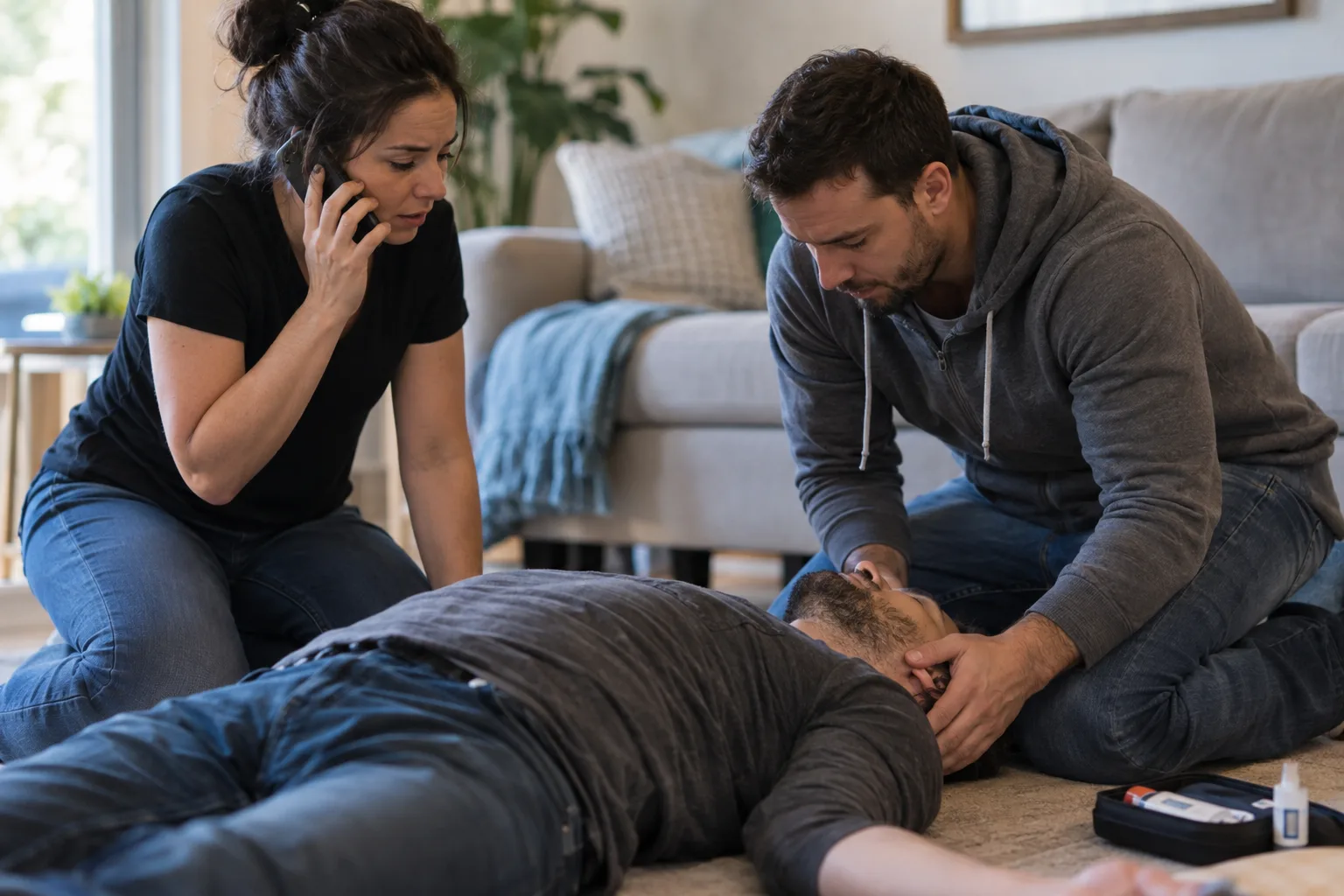
If you suspect an opioid overdose, call 911 now. Tell the dispatcher immediately if the person will not wake up or is not breathing normally. Do not delay the call while trying to identify what they took or contacting a treatment provider.
1. Describe what you see
Put your phone on speaker and give the exact location. Describe the person’s responsiveness and breathing rather than trying to make a diagnosis. Tell the dispatcher about any substances you know they took, and say when you are unsure. Follow the dispatcher’s instructions while help is coming.
2. Use naloxone according to its instructions
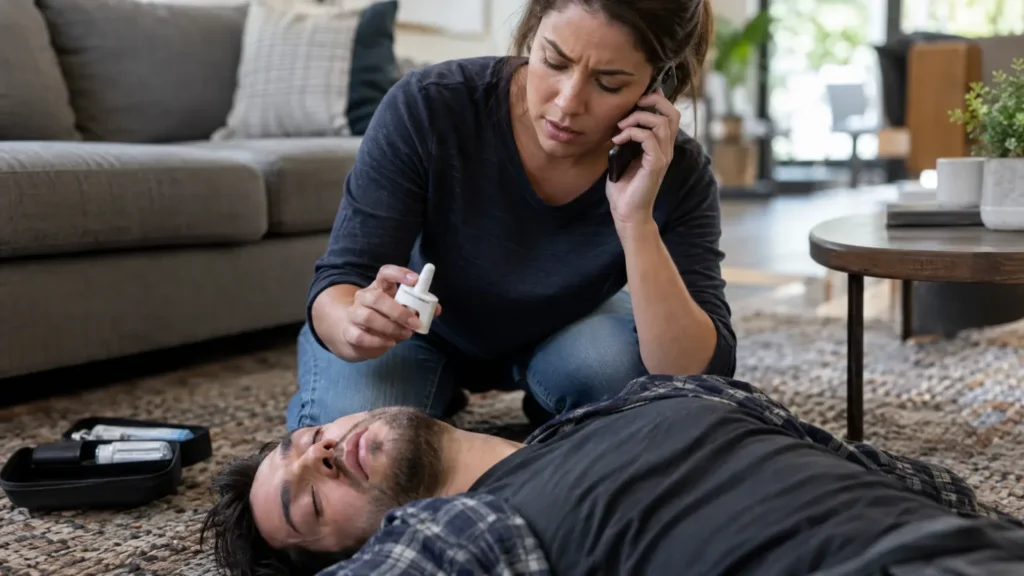
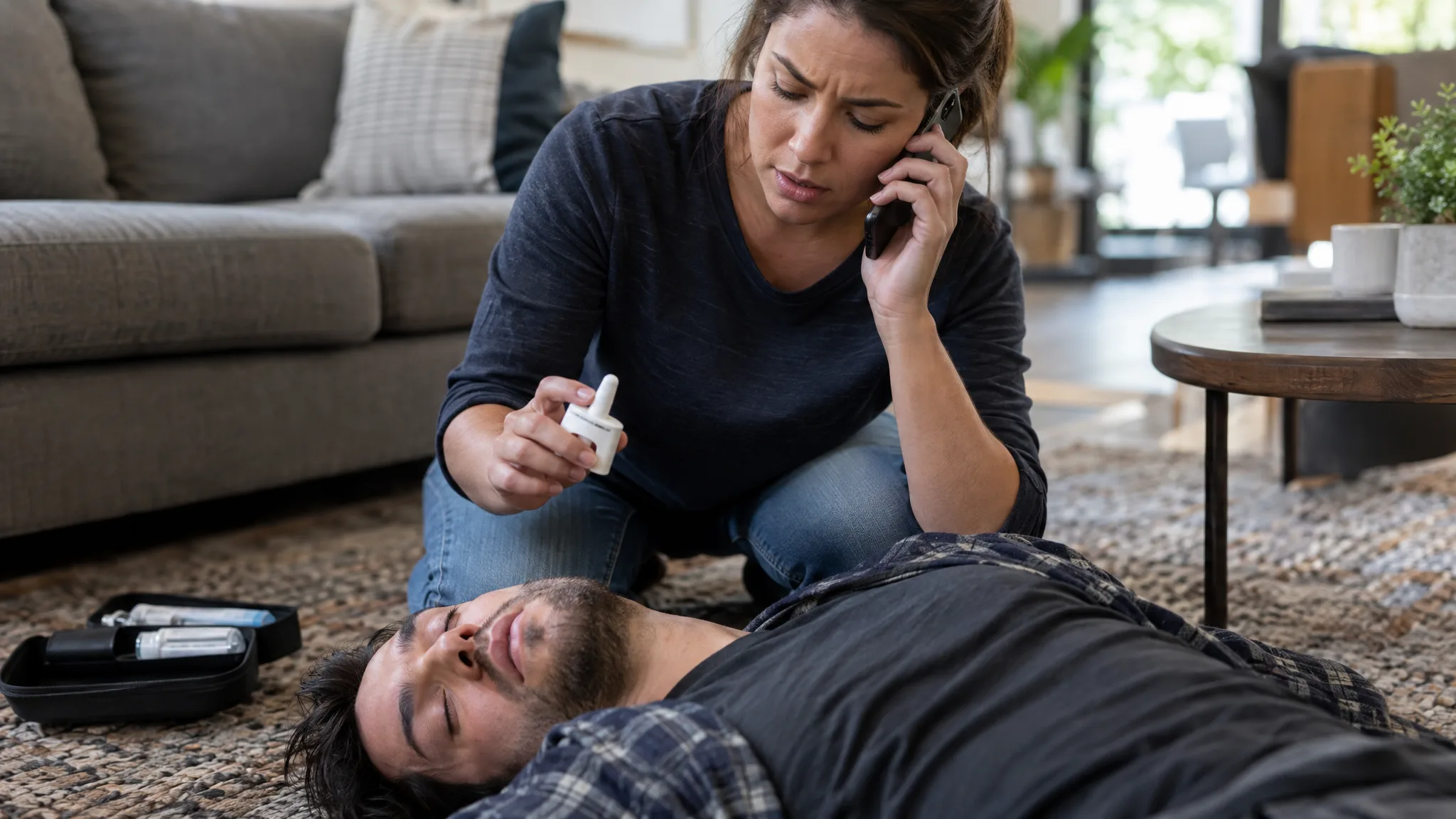
If naloxone is available, tell the dispatcher which product you have. Follow that product’s directions for administration and any repeat doses; do not guess about the device or timing. Tell the dispatcher when you give a dose and describe any change in the person’s condition.
3. Ask for breathing-support instructions
If the person is unresponsive or not breathing normally, say so immediately and ask the dispatcher to guide you through breathing support or CPR. Explain whether you have training and whether an AED is available. Follow their directions about positioning the person, too.
4. Stay until emergency responders take over
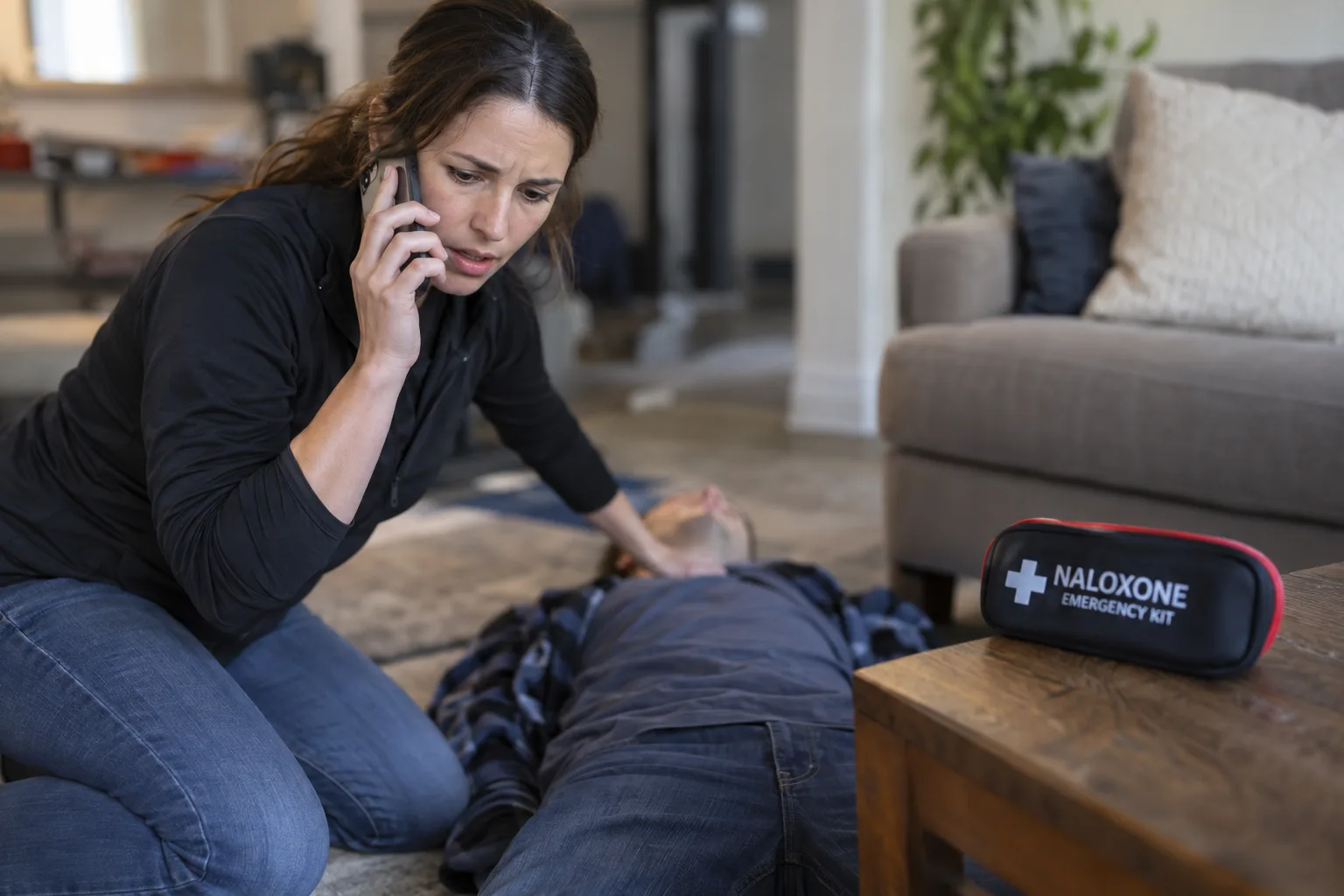
Keep watching the person’s responsiveness and breathing, and report changes—even if they wake up. Do not cancel emergency help or decide on your own that medical attention is no longer needed. Tell arriving responders what you observed and what naloxone you gave.
After emergency care, ask the treating clinician what follow-up is appropriate. To discuss ongoing addiction treatment after emergency care, call Blue Coast Behavioral Health at 949-776-2127 and ask whether its ongoing treatment options, including outpatient care, fit the recommended next step.